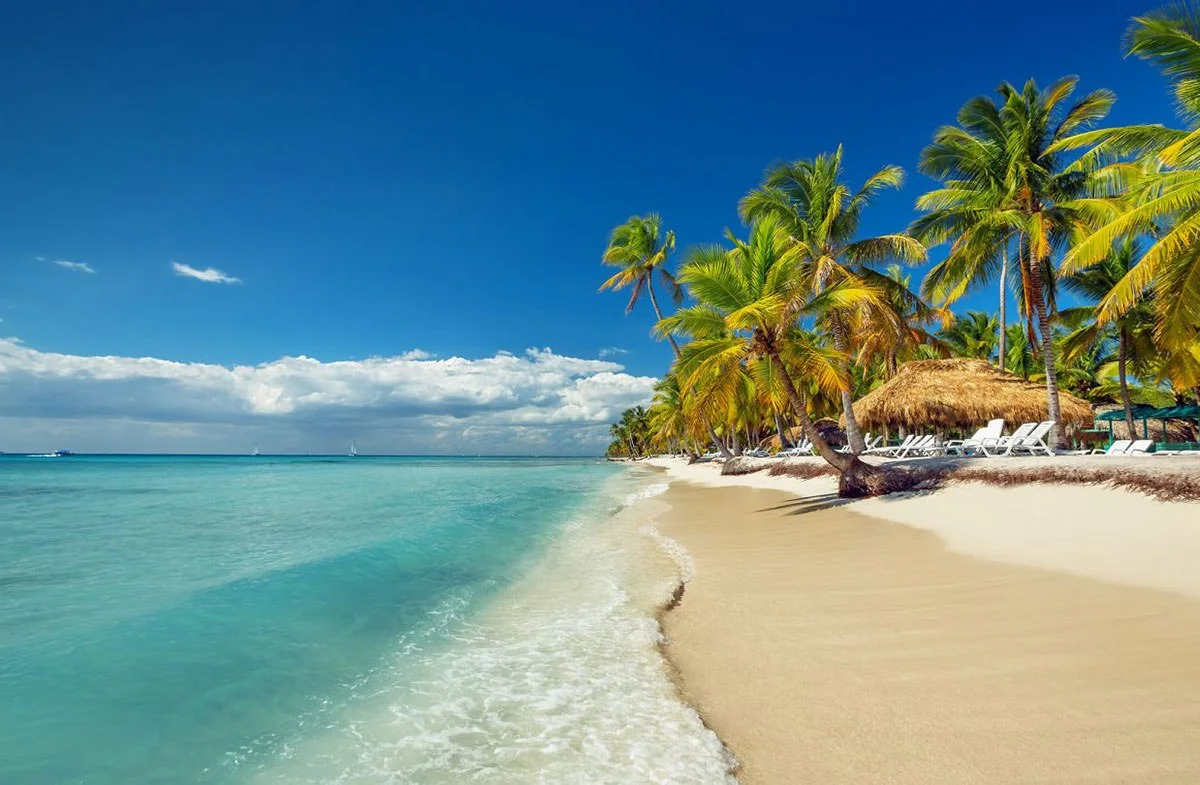
Fitting absolutely everything about the Dominican Republic into a single article is a tough ask, but we’ll give it a shot! In this article you’ll find the essential information we believe is important to know before visiting the country. We’ll also share both broad, encyclopedia-style facts and the personal opinions of our blog’s writers, based on years of living and running a business in this Caribbean nation.
The Dominican Republic’s official language is Spanish
One of the key things worth paying attention to when visiting any country is its language, and the Dominican Republic is no exception. The country is a former Spanish colony, and along with the language, the local population picked up a number of traits typical of that Southern European culture.
The official state language is Spanish, and, much like the Spanish themselves, Dominicans tend to think everyone should speak their language. And not without reason — Spanish is still spoken by roughly a quarter of the world’s population, second in popularity only to Mandarin Chinese. That said, it’s worth noting you’re unlikely to run into a language barrier at the resorts. For one thing, given the recent surge in the Dominican Republic’s popularity as a destination, many Dominicans work hard to learn foreign languages to serve international visitors. For another, in resort areas, the vast majority of staff who interact with tourists in any way speak at least basic, or fairly comfortable, conversational English.
But if you’re not confident in your English or Spanish, you can always count on the Dominicana.Pro team — save our phone number, and feel free to reach out if you need help with translation.
The official religion in the Dominican Republic is Catholicism
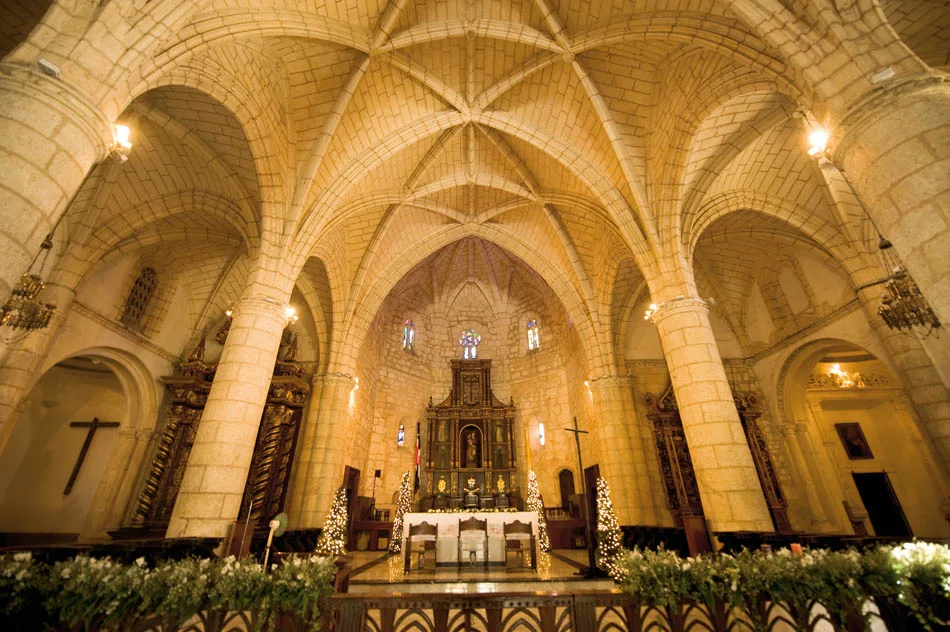
Catholicism is the largest religion in the world, and the Dominican Republic served as a genuine gateway for the Catholic Church into the Americas: it’s home to the first Catholic church and the first cathedral ever built in the New World (both still standing to this day). Before we go further into Dominicans’ religiosity, it’s worth pointing out that the Dominican Republic is the only country in the world with a Bible depicted on its flag. During his last visit to the country, Pope John Paul II remarked that it was the most Catholic country on Earth — and it’s hard to argue, given that churches line practically every street, and 80% of radio stations in the Dominican Republic belong to the church. In fairness, though, the country is genuinely multi-faith, with practicing Muslims, Buddhists, and Orthodox Christians present here as well.
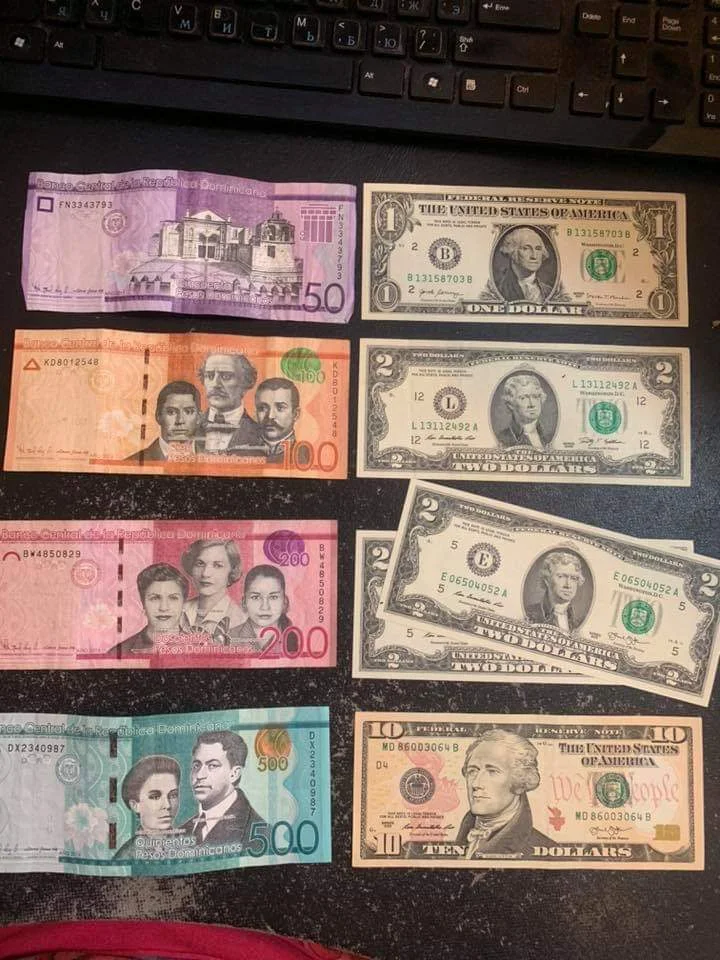
The official currency in the Dominican Republic is the Dominican peso (DOP)
What currency should you bring to the Dominican Republic? Almost everyone planning a trip here asks this question. Even though the official currency is the Dominican peso, you can pay in US dollars without any trouble at nearly any store or souvenir shop. That said, we always recommend exchanging a small amount for local currency: first, it makes a great souvenir, and second, small shops in resort areas often set a downright predatory exchange rate.
The euro isn’t used in the Dominican Republic, so we recommend exchanging euros for dollars beforehand. Paying by card is fairly cost-effective, though cards still aren’t accepted everywhere, and ATMs only dispense cash in the local currency — often with a daily withdrawal limit of around $300. The highest ATM withdrawal limit is at Banesco, while ATMs from BHD León tend to charge the lowest withdrawal fees.
Transportation in the Dominican Republic
Transportation in the Dominican Republic can be roughly split into private, tourist, and public. The situation with private vehicles isn’t too different from most other countries — traffic drives on the right, and traffic laws generally match international norms, though most road signs are American-style. Distances, however, are always given in kilometers. Oddly enough, the Dominican Republic mixes both the metric and imperial systems: figuring out what’s measured in which unit is tricky, and you pretty much just have to know. Fuel, for example, is measured in gallons, so if you decide to rent a car, no one will tell you how many liters it takes to drive 100 kilometers — but they’ll happily tell you how many kilometers you’ll get per gallon, and you can do the math from there.
The fact that tourists receive special, careful treatment in the Dominican Republic is also reflected in the licensing system: there’s a separate license required to transport tourists, and it’s both difficult and expensive to obtain. What’s more, not every taxi driver is allowed to carry tourists. In exchange, tourist vehicles are permitted to enter hotel grounds, and they don’t need extra permits during curfew hours. Public transportation in the Dominican Republic is, frankly, in rough shape, and the most common way to get around the country is by motoconcho — a motorcycle taxi. By the way, we filmed a short video on this very topic, and we highly recommend watching it.