We’re not suggesting you head to Tahiti. But visiting the eastern part of the island of Hispaniola — the Dominican Republic — is a genuinely fascinating idea! A tiny dot on the map, bordered by the Caribbean Sea to the south and the Atlantic Ocean to the northeast, one of the nations of Latin America. You’ll get the best sense of the historical twists and turns behind why the island split into two independent countries once you visit the capital, Santo Domingo. But the goal of this article is to tell you about the fascinating traits of the Dominican Republic as an island nation — its people, manners, character, and customs.
We haven’t even been to Haiti, but they feed us just fine right here!
“Our happiness never ends…” And it’s true — Dominicans really are a very happy people! They don’t need much to keep smiling, enjoy every day, and feel fulfilled. Nature gave these people everything they need: bright sun year-round, gorgeous scenery, and, of course, the ocean. It’s rare to find someone in a village, or even a city, building up complicated chains of worry in their head. It’s simple: sunrise means the day begins, a fresh coconut or mangú (mashed plantain with onion) for breakfast, a ripe avocado straight off the tree, and you’re full of energy!
People here live one day at a time, in this land of smiles. Dominicans aren’t burdened by plans for the future, rarely travel far, and so feel no need to save — they spend everything, right away. Their attitude toward problems is philosophical: if a problem exists, it’ll get solved somehow; and if it can’t be solved, why worry about it at all? Maybe that’s exactly why Dominicans are considered some of the happiest people on the planet.
Beauty, Dominican-style
Dominicans are a beautiful people. You’ll meet all kinds here! Skin tone can range from a light, ivory shade to a rich, deep brown reminiscent of dark chocolate. Skin tone can also hint at which part of the country someone is from. Blue eyes and fair skin usually mean someone is from the north, since that’s where many mixed marriages with Europeans took place historically. But if you meet someone with very dark skin, with a bluish tint, there’s a 90% chance they’re of Haitian descent. Dominicans are lucky when it comes to teeth — theirs tend to be snow-white and remarkably strong.
Hair, especially for Dominican women, is so coarse and dry it can resemble horsehair, and it often comes in tight, tiny curls, much to the frustration of the women who have it. They try all sorts of things to straighten their curls, applying complex chemical treatments and heat styling. That’s exactly why hair masks made in this country are especially good — designed specifically for coarse hair, they hydrate and soften beautifully, especially given how hard and salty the local water is.
The hourglass figure deserves its own mention here. Dominican women’s figures are incredibly striking thanks to their distinctive hip shape and fuller busts! That said, the skin on their palms and feet tends to be noticeably rougher than that of European women. So if you ever get a manicure or pedicure at a local salon, expect a very thorough exfoliation!
When it comes to clothing, bright colors that stand out against dark skin are the preference. As for jewelry — chunky rings, bracelets, and earrings. Men love dressing up and looking sharp just as much as women do. If a driver from a transport company sets out in the morning in a crisp, freshly ironed white shirt and gets caught in the rain along the way, he’s more likely to turn around and change than show up at your hotel on time. Which brings us to another Dominican trait: a relaxed sense of timing.
Leave for tomorrow everything you need to do today
“Tranquila” and “mañana” are this nation’s favorite words — complete calm, and the freedom to put things off until tomorrow. Since every day looks much like the last, there’s never any rush. Dominicans are relaxed. It can be hard to get used to, and hard to accept at first. If you move into a new apartment and need repairs done, the repairman might take weeks to show up. If you’re promised a room change at your hotel the next day, you might visit the front desk every single day only to hear “Mañana, por favor.”
This pace of life encourages a certain contemplativeness. That’s exactly why the Dominican Republic is such a good place to rest, relax, and stop rushing anywhere. Within about a week, you’ll catch this state of being, called “tranquila,” like a virus — and once you do, everything falls into place.
Dancing as a way of life
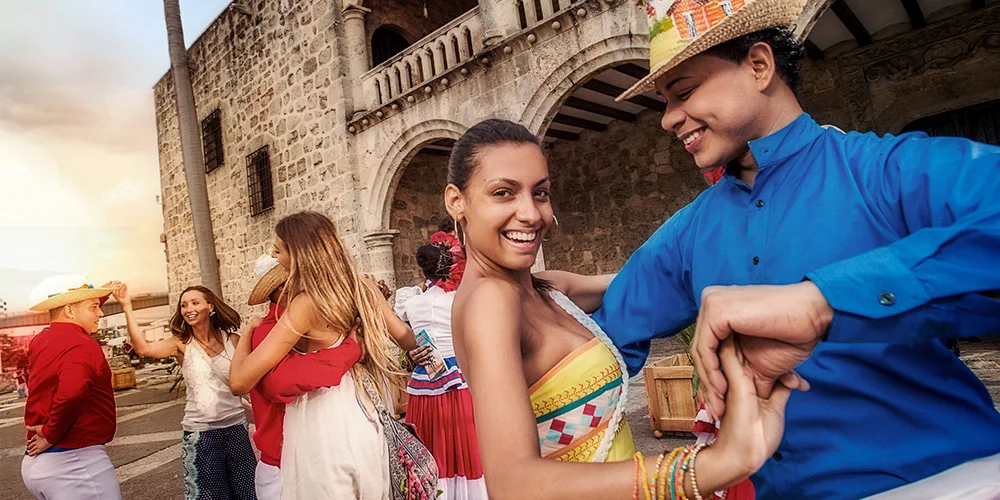
Just as we absorb our values from our mothers, Dominicans have absorbed their love of music and dance quite literally with their mother’s milk. It’s rare to find a Dominican who won’t start swaying, or humming some tune under their breath, at the first notes of bachata or merengue.
People dance everywhere — at gas stations, in shops, at restaurants, at the dentist’s office, and even in banks. And that’s completely normal! While still in the womb of a constantly dancing mother, a baby is already dancing along too. And once born, they hear Latin rhythms everywhere, so the music is in their blood! Even the notorious dictator Trujillo embedded his political slogans into merengue rhythms, using them to easily influence the population. The movements and rhythms of these dances are so simple that anyone can learn them, and have a wonderful time doing it. The energy of merengue, the passion of salsa, and the sensuality of bachata are impossible to describe — you simply have to try them!
Big families as a safety net for old age
There’s no denying Dominicans have hot blood and incredible temperament. They’re affectionate, passionate people, which is why their families tend to be large. It’s rare for a typical Dominican family to have just two or three children — usually it’s five or more. Even though there’s no pension system in the Dominican Republic, parents don’t worry much about providing for their old age. Every adult son or daughter considers it their duty to support their parents financially every month, sending part of their income home. Grandchildren are commonly left in the care of grandparents while their parents head off to work in big cities or tourist areas. Dominicans vacation as families, in big, lively groups. They love trips to the seaside, and, of course, weekends at hotels!
Traffic without rules, or yield to whoever’s bigger
Traffic in the Dominican Republic is lively and chaotic. Rules do exist, of course, but few people actually follow them. You’ll feel pretty comfortable behind the wheel here, and your heart won’t skip a beat if you cross a double solid line or forget your license at home. But when it comes to yielding to a “sweet ride” twice the size of your own, the “yield to the right” rule simply doesn’t apply.
Police are a rare sight on the roads, and if you do get pulled over, the conversation can be brief. If you’re a local and speak Spanish, that’s one story; if you’re a tourist, you’ll be treated accordingly. Renting a car here means knowingly signing up for an adventure that doesn’t always end well. If you do decide to go for it, choose your rental company with extra care!
In the Bávaro–Punta Cana resort area, the concept of “public transportation” barely exists. Local minibuses are meant for transporting hotel staff and residents, and they’re usually so packed you can barely breathe. A ride on one of these “trambapú” buses costs 40–50 pesos. There’s only one route, no bus numbers, and no actual stops — you just stand on the side of the road, sometimes for ten minutes, sometimes for forty, under the blazing sun, waiting to see if a bus shows up at all. If that sounds like an adventure you’re up for, go ahead and try it. But if you want something quick and safe, it’s still best to take a taxi. These services are official. Agree on the price with your driver right away — even with set rates, drivers will sometimes offer a discount, or just as often try to raise the price, hoping you won’t know any better.
Food and water
There’s plenty of food — delicious, fresh, and affordable — but water isn’t free. To safely cook, boil anything, and, of course, thoroughly wash fruits and vegetables, you need to use bottled water in the Dominican Republic! And that takes some getting used to. It’s not so much about the cost as the habit of hauling home a five-liter jug, opening it, flipping it upside down into the dispenser, and, of course, keeping track so it doesn’t run out right when you’ve decided to boil pasta for dinner. Some might think, “It’s the 21st century, there are water coolers and delivery” — sure, but that’s not accessible to everyone. There are, of course, residences where the water is perfectly fine for washing dishes and cooking, but housing and rental costs at those places tend to run noticeably higher. And then there are places (unfortunately, the majority) where the tap water isn’t just salty, but tainted with wastewater too. So you really do need to pay attention. At hotels, the water is naturally of a much better quality, but drinking it straight from the tap still isn’t recommended!
As for the cuisine, the food here is wonderful! Dominicans are big meat eaters. Despite being surrounded by the ocean and the Caribbean Sea, most locals are fairly indifferent to fish. Meat dishes, on the other hand, come in endless variety. There’s grilled chuleta — a piece of fried pork — and churrasco, a particularly tender cut of meat served with chimichurri sauce, plus chicken dishes like pechuga a la plancha, the most common option thanks to how easy it is to find. Banana-based dishes are also worth trying — I love mofongo, mashed fried plantains with garlic. Mofongo comes with chicken, with seafood, or simply as a side for fish or meat. The most common snack is tostones — fried rounds of green plantain. Also worth trying is the traditional soup, sancocho, made with three or four kinds of meat and various root vegetables, seasoned with fragrant herbs and spices — thick, hearty, and very filling. If you head to breakfast at your hotel, look out for boiled yuca with pickled onion, or fried yuca. Oh, it’s all so delicious!
We could talk endlessly about Dominican food, just as we could about life in this “land of smiles.” But of course, it’s best to come see and taste it all for yourself!